
Autumn Nebulae
Autumn brings a mix of well-known and less-visited nebulae that bridge the transition from summer’s richness to winter’s brilliance. This season is perfect for those looking to observe nebulae under darker skies, as longer nights provide excellent conditions. Autumn nebulae may not be as numerous as in other seasons, but they offer unique structures and fascinating shapes to discover.Sky Map
Celestial bearing and elevation at 02:30
This interactive sky map shows the positions of the brightest celestial objects from your location. Move it horizontally to follow how their positions change through the night.
Orion Nebula (M42)
Star cluster + Nebula
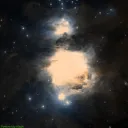
The Orion Nebula, a bright emission nebula and star-forming region, containing over 700 stars, located approximately 1,344 light-years away in the constellation Orion.
M35
Open Cluster
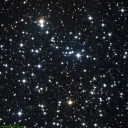
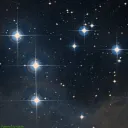
An open star cluster containing over 1200 stars, located approximately 2,800 light-years away in the constellation Gemini.
M34
Open Cluster
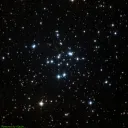
An open star cluster containing over 400 stars, located approximately 1,400 light-years away in the constellation Perseus.
M37
Open Cluster
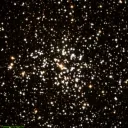
A rich open star cluster containing over 500 stars, located approximately 4,500 light-years away in the constellation Auriga.
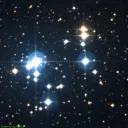
M36
Open Cluster
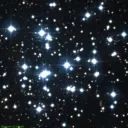
An open star cluster containing over 60 stars, visible to the naked eye under dark skies, located approximately 4,100 light-years away in the constellation Auriga.
M38
Open Cluster
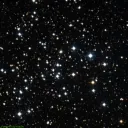
An open star cluster containing over 100 stars, located approximately 4,200 light-years away in the constellation Auriga.
IC1805
Star cluster + Nebula
IC1805 is a star cluster + nebula with apparent magnitude 6.50 in the constellation Cassiopeia, spanning approximately 1 arcminute in the sky.
IC1848
Star cluster + Nebula
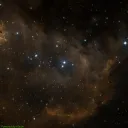
IC1848 is a star cluster + nebula with apparent magnitude 6.50 in the constellation Cassiopeia, spanning approximately 40 arcseconds in the sky.
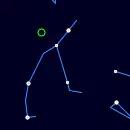
NGC1027
Open Cluster
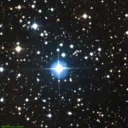
NGC1027 is an open cluster with apparent magnitude 6.70 in the constellation Cassiopeia, spanning approximately 7.8 arcseconds in the sky.
Data Credits
The deep-sky information on this page comes from the OpenNGC project developed by Matteo Verga. OpenNGC provides detailed catalog data for nebulae, galaxies, clusters and other deep-sky objects.
For details or contributions, visit the official repository: OpenNGC GitHub.